Home remedies for a dog's difficult breathing!

Aug 21/26
Overview
If you’re anything like me, your Pomeranian isn’t just a pet—they are your tiny, furry shadow, your loyal confidant, and the absolute ruler of your couch. With their majestic, billowing coats and those cheeky, fox-like faces, it’s hard not to be completely obsessed with them. But as a Pom parent, there is one sound that can instantly turn my blood to ice: that strange, raspy, or strained breathing.
If you’ve recently found yourself frantically searching the internet asking, "Why is my Pomeranian having trouble breathing?"—take a deep breath. You are not alone, and you’ve come to the right place. Let’s sit down, grab a cup of coffee, and talk about what might be going on with your little ball of fluff, why this breed is uniquely prone to respiratory quirks, and when it’s time to make a rush trip to the vet.
The Pomeranian Predicament: Built Differently
To understand why our tiny companions might struggle for air, we first have to look at their anatomy. Pomeranians are toy dogs, and while their personalities are larger than life, their windpipes (tracheas) are astonishingly delicate.
Unlike larger breeds, a Pomeranian’s tracheal rings are made of cartilage that can be softer or more pliable than it should be. When they get overly excited, pull too hard on a leash, or even just swallow their water the wrong way, things can get a bit scary.
Dr. Jane Reynolds, a small-animal veterinarian with over fifteen years of experience treating toy breeds, puts it simply: "Pomeranians are wonderful, spirited little dogs, but their anatomy makes them frequent flyers in veterinary clinics for respiratory issues. Their tiny windpipes and compact skulls mean there's very little margin for error when it comes to airway health."
So, what are the actual culprits behind that wheezing, coughing, or struggling? Let’s break down the most common reasons your Pomeranian might be having trouble breathing.
1. Collapsed Trachea (The Classic Toy Breed Culprit)
This is probably the most common reason a Pomeranian has breathing trouble. A collapsed trachea happens when the cartilage rings of the windpipe lose their stiffness and flatten out. Instead of a nice, open tube for air to travel through, it becomes pinched, making it difficult for air to reach the lungs.
What does it sound like? Often, it’s accompanied by a distinct, dry, hacking cough that sounds startlingly like a goose honking. It can be triggered by excitement, pulling on a collar, or even hot and humid weather.
"When a client comes in worried about their Pomeranian making a honking sound, a collapsed trachea is almost always at the top of our differential diagnosis list," notes Dr. Reynolds. "It's a chronic condition, but with weight management, harness training, and sometimes medication, these dogs can live very normal, happy lives."
2. Reverse Sneezing (Scary, But Usually Harmless)
Have you ever seen your Pomeranian suddenly stand rigid, stretch out their neck, and make rapid, snorting inhalation sounds that make it look like they are suffocating? It is terrifying to witness for the first time.
This is called a "reverse sneeze." It happens when irritants like dust, pollen, or even a sudden change in temperature cause a spasm in the soft palate and throat. While it looks and sounds like an absolute emergency, it usually passes in less than a minute.
3. Tracheal Hypoplasia
Sometimes, a Pomeranian is simply born with a windpipe that is narrower than normal. This is a congenital condition called tracheal hypoplasia. Because the airway is intrinsically small, these dogs have to work a little harder to breathe all the time. If they get a minor respiratory infection, it can quickly turn into a noticeable struggle for air.
4. Brachycephalic Airway Syndrome (B.A.S.)
While Pomeranians aren't flat-faced to the same extreme degree as Pugs or French Bulldogs, they do have shortened muzzles (they are technically considered somewhat brachycephalic). This compact skull structure can sometimes lead to crowded airways, an elongated soft palate, or tiny nostrils (stenotic nares), all of which restrict airflow.
5. Laryngeal Paralysis
As Pomeranians age, the nerves that control the muscles opening and closing the larynx (voice box) can degenerate. When this happens, the flaps of the larynx don't open properly when the dog tries to take a breath, leading to a harsh, noisy breathing pattern—especially during exercise or when they are warm.
6. Environmental Factors and Extra Pounds
Never underestimate the power of the environment! Poms are low to the ground, meaning they breathe in dust, carpet fibers, household cleaning product fumes, and cigarette smoke much more directly than we do.
Furthermore, carrying even a half-pound of extra weight can put massive pressure on a Pomeranian’s tiny chest cavity and windpipe.
As I often remind myself when my own Pom gives me those begging eyes for an extra treat: "Love is not extra kibble; love is a healthy, clear airway." Keeping our dogs lean is one of the absolute best gifts we can give their lungs.
Goals
how to prevent a Pomeranian from having trouble breathing

As a devoted dog lover and a proud pet parent to a spirited little Pom, I know firsthand how those big, expressive eyes and bubbly personalities can completely steal your heart. But with their tiny frames and luxurious coats, Pomeranians are prone to a few unique health quirks. One of the scariest things you might ever witness as a Pom owner is a coughing fit or a struggle for air—often linked to issues like a collapsed trachea or reverse sneezing.
Because I want to keep my furry best friend happy, healthy, and breathing easy, I’ve done a deep dive into respiratory health for this breed. If you want to protect your little lion-cub lookalike, here is my ultimate guide on how to prevent a Pomeranian from having trouble breathing.
Understanding the Pom's Delicate Airways
Before we jump into prevention, it helps to understand why our dogs are vulnerable. Pomeranians belong to the toy group, which means their windpipes (tracheas) are remarkably small and delicate. Made of C-shaped cartilage rings, the trachea can sometimes weaken, flatten, and obstruct airflow.
When you combine a delicate windpipe with a thick double coat, a high-strung personality, and the potential for weight gain, you have a recipe for respiratory challenges. The good news? With a few lifestyle tweaks, you can significantly lower the risk of breathing distress.
Ditch the Collar for Walks
If there is one golden rule of Pomeranian ownership, it is this: Never attach a leash to a traditional neck collar.
When an excited Pom pulls on a leash attached to a neck collar, all that pressure bears down directly on their fragile windpipe. This can trigger a coughing spasm or even contribute to tracheal collapse over time.
The Fix: Switch immediately to a well-fitted step-in harness. Harnesses distribute any pulling pressure evenly across your dog's chest rather than their throat, keeping their airways completely safe and open during walks.
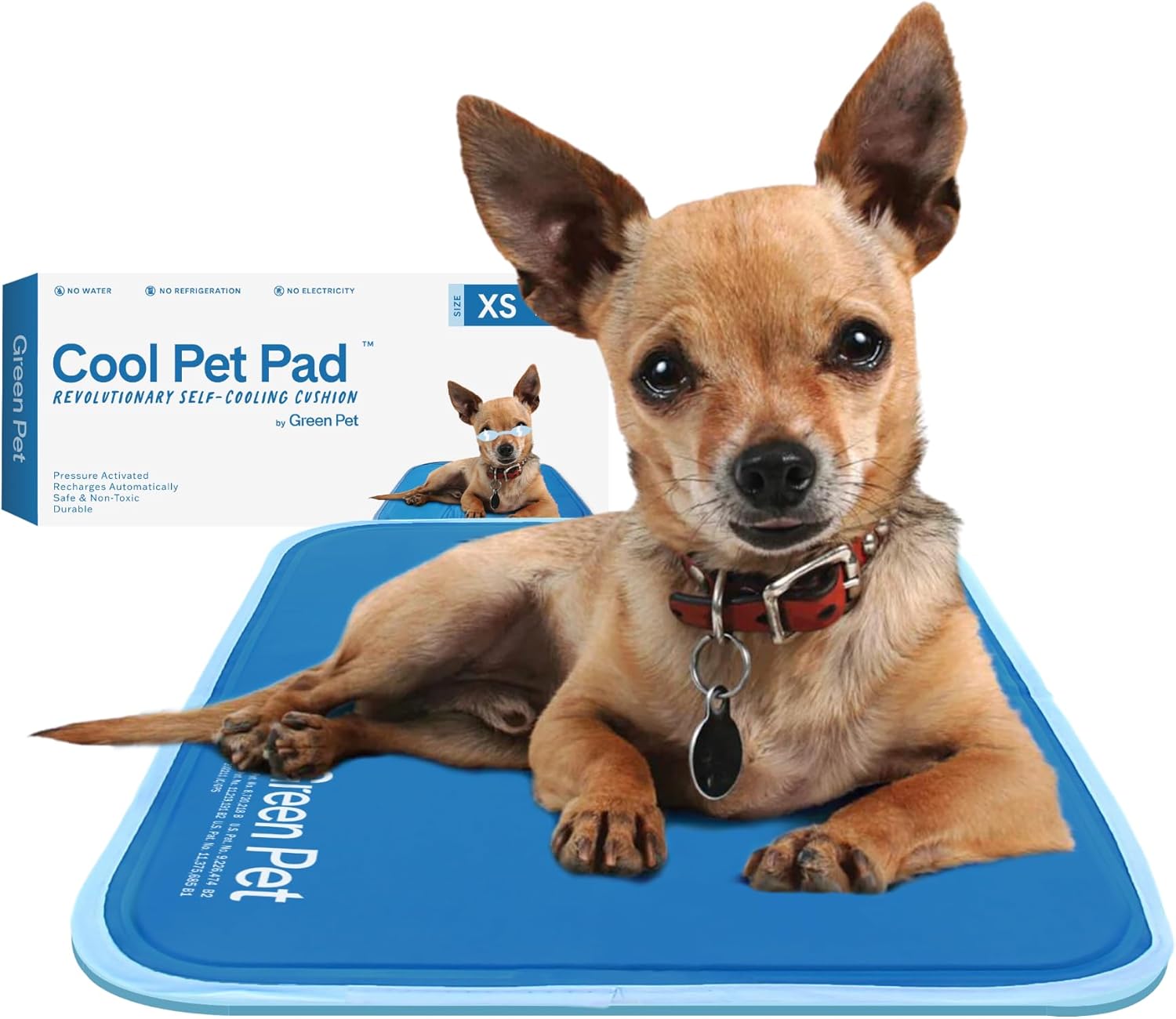
Keep Them Cool and Comfy
Pomeranians were originally bred from much larger Arctic sled dogs, meaning they come equipped with a magnificent, thick double coat designed for cold weather. Unfortunately, this makes them extremely prone to overheating. When a Pomeranian gets too hot, they pant excessively, which can quickly lead to respiratory distress—especially for flat-faced or brachycephalic traits occasionally found in the breed.
Climate Control: Always keep your home air-conditioned during hot summer months.
Hydration: Ensure fresh, cool water is always accessible.
Shade and Travel: Never leave your Pom in a parked car, even for a minute, and avoid strenuous midday walks when the sun is blazing.
"A Pomeranian’s luxurious coat is their pride and joy, but it's also a portable winter blanket. Managing their ambient temperature is just as important as managing their diet when it comes to keeping their airways clear." — Dr. Sarah Jenkins, DVM & Canine Respiratory Specialist
It’s easy to sneak our little Poms an extra treat—look at those pleading eyes! However, extra pounds put a massive strain on a Pomeranian’s tiny chest cavity and respiratory system. Obesity forces the heart and lungs to work twice as hard just to keep up with everyday activities.
Here is a quick guideline on what a healthy Pomeranian should look and feel like:
Body Condition Visual Indicator Rib Test Breathing Impact
Underweight Ribs and spine easily visible Bones prominent with no fat cover Lacks stamina, potential weakness
Ideal Weight: Waist visible from above; tuck-up at abdomen Ribs easily felt with a slight fat covering Optimal airflow; minimal strain on lungs
Overweight Broad back; no discernible waist Ribs difficult to feel under thick fat layer Heavy breathing, increased risk of collapse
Obese: Heavy fat deposits on neck, chest, and back Ribs undetectable; distended abdomen Severe respiratory distress, high risk of heatstroke
Feed your Pom a high-quality, portion-controlled diet, measure their kibble, and limit high-calorie table scraps to keep them in the "Ideal Weight" zone.
Watch the Pomeranian Puppy Stage Closely
Bringing home a pomeranian puppy is an absolute joy, but those early months are critical for setting lifelong health habits. Puppies are fearless, endlessly curious, and love to chew on anything they can find.
Because their bodies are still developing, a puppy’s trachea is softer and more vulnerable than an adult dog's. To protect your little one:
Puppy-Proof Your Home: Keep tiny objects, electrical cords, and toxic materials far out of reach to prevent choking or airway blockages.
Monitor Playtime: Poms love to play hard, sometimes running until they drop. If you notice your puppy breathing heavily with their tongue lolling out excessively, gently enforce a rest period in a cool, quiet space.
Gentle Socialization: Puppies can get over-excited easily. High levels of excitement can trigger reverse sneezing—a harmless but scary-sounding event where the dog makes snorting noises while trying to pull air in rapidly. Keeping their environment calm helps prevent these episodes.
Reduce Environmental Irritants
Just like humans with asthma, Pomeranians can suffer from respiratory irritation caused by airborne allergens and pollutants. Their low-to-the-ground stature means they breathe in whatever is lingering close to the floor.
To protect their delicate airways at home:
No Smoking: Never smoke cigarettes, vapes, or cannabis around your dog. Secondhand smoke is a notorious trigger for canine respiratory problems.
Skip Strong Chemicals: Avoid using harsh chemical surface cleaners, heavy perfumes, or aerosol room sprays near your Pom. Opt for pet-safe, natural cleaning alternatives.
Air Filtration: Consider running a HEPA air purifier in the rooms where your dog spends the most time to reduce dust, pollen, and dander.
Stay Ahead with Veterinary Check-Ups
Prevention isn't just about what you do at home; it’s also about partnering with your veterinarian. During your Pom’s routine exams, ask your vet to listen closely to their trachea and lungs.
Conditions like tracheal collapse or heart murmurs (which can also cause coughing and breathing trouble) are much easier to manage when caught early. Keeping up with routine vaccinations (especially against kennel cough, which causes harsh, hacking coughs) is another non-negotiable step in safeguarding your dog's breathing.
Final Thoughts
Watching out for your Pomeranian's breathing doesn't have to be a source of constant anxiety. By making a few simple swaps—like trading the collar for a harness, keeping your home cool and smoke-free, and monitoring your pup's weight—you can drastically reduce the chances of respiratory distress.
With a little extra care and mindfulness, you and your fluffy best friend can enjoy years of happy, easy-breathing adventures together!
You may, likewise, like:
The most effective method to brush a Pomeranian: a super-supportive bit-by-bit manual for brushing a Pom, including prepping devices and pre-brush prep.
Pomeranian Fear of abandonment: Assuming your pom experiences difficulty remaining at home alone, these tips can keep them cool-headed while you're away.
Pomeranian Wellbeing Tips: You never need to say, 'I wish I knew to do that.' Follow this rundown to guard your Pom from a wide range of concealed risks.
Pomeranian Rules: The most recent data with respect to grain versus grainless consumes fewer calories for canines, wet versus dry, timing, and suggested brands.
WRITTEN BY
Nikki Nguyen, I am from Washington, DC.
Pom-Pom Personality Blog! As an avid pet lover, I am excited to share my experiences, tips, and tricks with fellow pets!
WRITTEN BY
Nikki Nguyen: I am from Washington, DC.
Pom-Pom Personality Blog! As an avid pet lover, I am excited to share my experiences, tips, and tricks with fellow pet owners!